






Introduction
Many electric vehicle buyers ask an important question before purchasing: do the driving modes in cadillac lyriq offer different ranges or battery usages?
It’s a smart question because unlike gasoline cars, EV performance is deeply connected to software, energy recovery, and driver behavior.
The short answer is simple. Driving modes do not change the size of the battery. However, they absolutely influence how efficiently that battery is used in real-world conditions. That means your selected mode can either stretch your range or quietly drain it faster depending on how you drive.
As one of the flagship luxury EVs developed by Cadillac, this vehicle uses advanced software calibration to tailor performance, comfort, and efficiency through selectable driving modes. Understanding how those settings work can help owners maximize every charge.
Understanding EV Driving Modes and Energy Consumption
Driving modes in an electric vehicle are essentially pre-programmed behavioral profiles. They adjust how the vehicle responds to inputs, manages power delivery, and recovers energy.
Instead of changing mechanical components, these modes alter software logic controlling acceleration curves, regenerative braking strength, and climate energy demand. Because EVs rely entirely on stored electrical energy, even small changes in these systems can noticeably affect efficiency measured in watt-hours per mile.
A more relaxed configuration typically reduces sudden energy spikes, while aggressive settings prioritize responsiveness over conservation. Over time, those differences directly influence how far you can travel on a full charge.
How Different Modes Influence Real-World Range
Acceleration Mapping and Power Delivery
In efficiency-oriented modes, acceleration is smoother and more gradual. This prevents large bursts of electricity from being pulled from the battery. Rapid acceleration, which is more common in performance-focused modes, requires significantly more energy and shortens usable range.
EVs deliver instant torque, so limiting that initial surge is one of the most effective ways to improve efficiency.
Regenerative Braking Strategy
Regenerative braking plays a major role in urban efficiency. Stronger regeneration captures energy that would otherwise be lost during deceleration and sends it back to the battery.
In city driving with frequent stops, this can meaningfully extend range. On highways, where braking events are fewer, the impact becomes smaller.
Climate Control and Thermal Management
Heating and cooling are among the biggest hidden energy consumers in any electric vehicle. Efficiency-focused settings may slightly reduce HVAC intensity or optimize how the battery is kept within its ideal temperature window.
In cold weather especially, energy used to warm the cabin and battery can reduce range more than driving style itself.
Steering, Suspension, and Drive Feel
Some modes adjust steering weight and ride dynamics. While these changes are subtle, smoother calibrations can reduce rolling resistance and unnecessary energy usage during everyday driving.
Typical Driving Modes and What They Mean for Efficiency
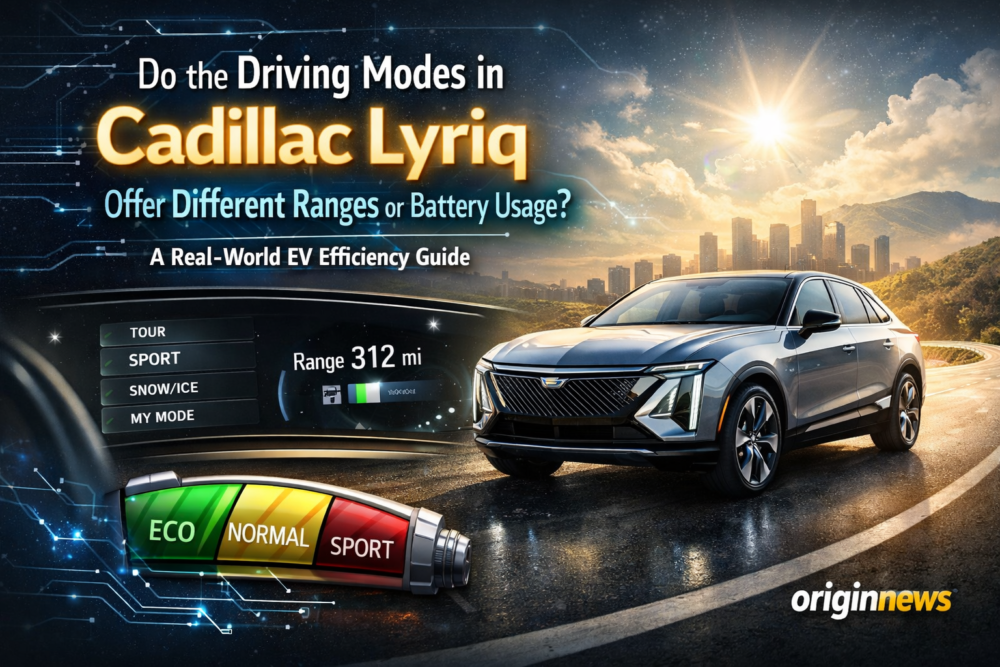
Tour or Normal Mode
This is the balanced setting designed for daily use. It blends comfort, predictable acceleration, and moderate regenerative braking. Manufacturers usually base official range estimates on this type of configuration because it reflects average driving behavior.
For most owners, this mode delivers the best combination of performance and efficiency.
Sport Mode
Sport mode sharpens throttle response and allows stronger power output. While it makes the vehicle feel quicker and more dynamic, it also increases energy consumption if used aggressively.
The battery capacity remains unchanged, but you access that energy faster, which can reduce your total driving distance between charges.
Snow or Low-Traction Mode
This mode softens acceleration to maintain control on slippery roads. Efficiency gains or losses here depend more on weather conditions than the mode itself. Cold temperatures naturally limit battery performance, regardless of settings.
Custom or Personalized Settings
Customizable configurations allow drivers to mix efficiency-focused acceleration with stronger regeneration. This flexibility can be ideal for commuters who want to fine-tune energy usage for their specific routes.
One-Pedal Driving Behavior
Although not labeled as a traditional “mode,” one-pedal driving significantly improves stop-and-go efficiency. By maximizing regenerative braking, it converts everyday slowing and stopping into usable electricity.
Does the Battery Itself Use More Power in Certain Modes?
The battery does not physically change how much energy it can store. Its usable kilowatt-hour capacity remains constant no matter which mode you select.
What changes is the rate at which that energy is consumed and how effectively it is recovered. Think of it like adjusting the brightness on a smartphone. The battery size is the same, but usage patterns determine how long it lasts.
Where Drivers Notice the Biggest Range Differences
City Driving
Efficiency-focused settings combined with regenerative braking can noticeably extend range in traffic-heavy environments. Smooth driving and energy recovery make a measurable difference here.
Highway Cruising
At steady highway speeds, aerodynamic drag becomes the dominant factor. Driving mode matters less, while speed and climate control usage matter more.
Hilly or Mountain Terrain
Regenerative braking can recover substantial energy during downhill travel, partially offsetting the extra power required for climbs.
Extreme Weather Conditions
Temperature has one of the largest impacts on EV range. Heating or cooling demands often outweigh the efficiency differences between modes.
Practical Tips to Maximize Range Regardless of Mode
Choose a balanced mode for everyday travel and avoid aggressive acceleration unless necessary. Smooth, consistent driving reduces peak energy demand and helps maintain efficiency.
Precondition the cabin while the vehicle is still plugged in so that heating or cooling does not rely solely on battery power once driving begins.
Use seat and steering wheel heaters in winter instead of raising cabin temperature dramatically, as localized heating consumes far less electricity.
Maintain proper tire pressure to reduce rolling resistance and avoid carrying unnecessary weight that can increase energy usage.
Keep highway speeds moderate, since aerodynamic drag rises rapidly as speed increases.
Why Software Matters More Than Ever in Electric Vehicles
Electric vehicles represent a shift from mechanical optimization to software-driven efficiency. Driving modes are not just comfort features. They are energy management tools designed to help drivers tailor performance to their needs.
Understanding how to use them allows owners to actively control consumption rather than leaving efficiency entirely up to the vehicle.
Final Verdict
So, do the driving modes in cadillac lyriq offer different ranges or battery usages?
They do influence real-world range, but not by changing battery capacity. Instead, they shape how intelligently that stored energy is used through acceleration behavior, regenerative braking, and climate management.
Drivers who choose balanced settings, anticipate traffic, and rely on energy recovery systems will often see longer range from the same charge. Those who favor performance-oriented driving may trade some efficiency for responsiveness.
In an EV, range is not just about the battery size. It is about how effectively you use every kilowatt-hour available. Mastering driving modes is one of the easiest ways to make that happen.

